Hi, I’m Emily.
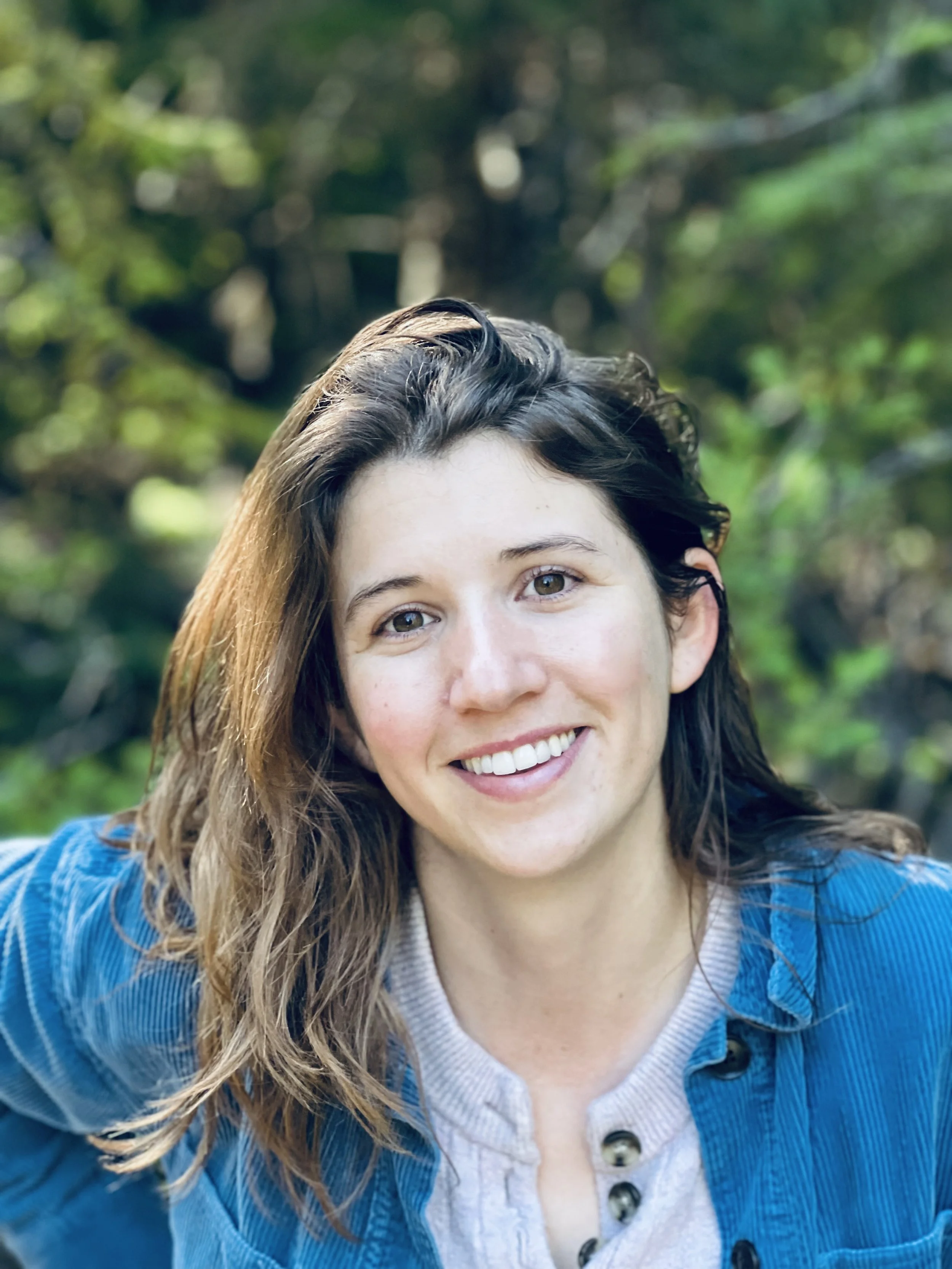
I am an ecophysiologist interested in how aquatic animals cope with environmental change.
My Background
Overview
I completed my PhD in the Ecology, Evolution, and Marine Biology department at UC Santa Barbara in Dr. Erika Eliason's lab. For my thesis, I studied how changes in fish nutrition impacts their thermal plasticity and thermal tolerance. Currently, I’m an NSF postdoctoral research fellow in Dr. Kevin Kohl's lab at the University of Pittsburgh. In my postdoctoral research, I am studying how host-microbe interactions influence the resilience of larval amphibians to extreme environmental conditions.
Education
PhD - UC Santa Barbara (2023)
BS Marine Biology - UC Santa Cruz (2014)
BS Molecular Biology - UC Santa Cruz (2014)


Incorporating environmental variability into physiological experiments: rationale and resources
Environmental variability shapes animal physiology, behavior, and ecology — but most research still uses static, low variability treatments. Here we review where and when variability arises in aquatic systems, discuss how embracing it reveals insights into aquatic animal physiology in dynamic environments, and share tips and tools that we hope will encourage others to study variability!
Recent Publications
Conservation physiology of freshwater fishes: An illustration of pressing questions and implications for management.
Freshwater fishes are increasingly threatened by climate change, pollution, habitat fragmentation, invasive species, and disease. This work presents case studies showing how physiological tools can be used to evaluate these threats and guide conservation efforts.
The impacts of diet on cardiac performance under changing environments
Malnutrition — caused by shifts in food availability and quality — can impair cardiac physiology of wildlife. But animals in dynamic environments must maintain cardiac function to survive environmental changes. In this commentary, we explore knowns and unknowns about how animal nutrition affects the environmental physiology of the heart.
Get in Touch!
I’m always interested in hearing from other researchers and potential collaborators

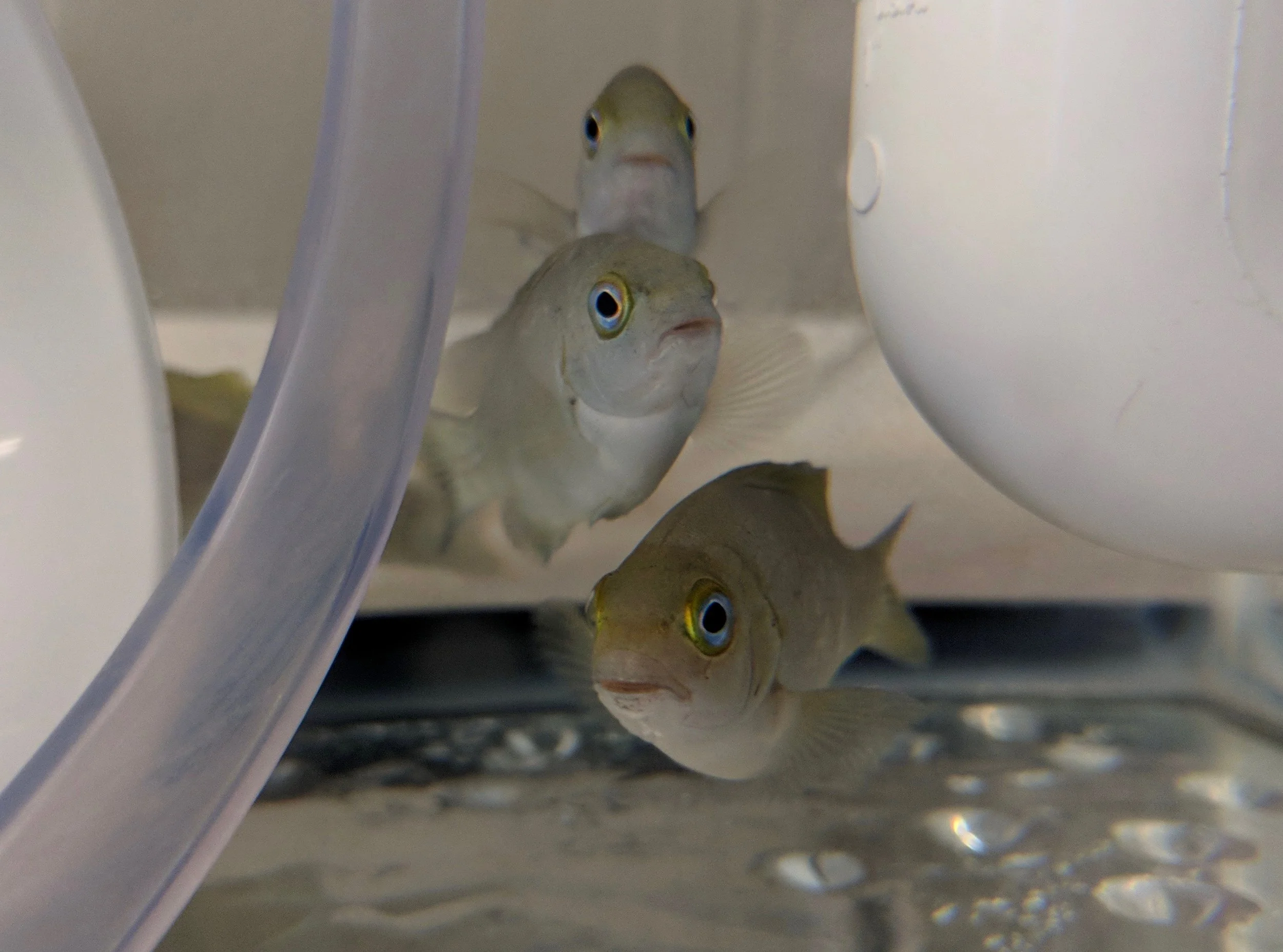
Lumpfish photo by Kim Birnie-Gauvin